Introduction
Display ports are a hot topic among tech enthusiasts and consumers wanting the best viewing experience. As people explore new TV options, understanding connectivity capabilities becomes essential. The question ‘Do TVs have display ports?’ is critical for optimizing home entertainment systems. We will dive into trends in TV connectivity, weigh display ports against other options, and provide guidance on selecting the right TV for your requirements.
Understanding Display Ports and Televisions
Display ports are digital interface standards connecting video sources to display devices, such as monitors and TVs. Designed for high definition, they support superior refresh rates and minimize the need for multiple cables, appealing to consumers seeking superior connectivity solutions.
However, not every television includes a display port. While common in computer monitors, particularly for gaming and professional use, TVs have traditionally favored HDMI (High-Definition Multimedia Interface) connections. HDMI’s single-cable video and audio transmission made it the go-to standard for home entertainment. This raises curiosity about the role of display ports in today’s TVs and their presence in 2024 models.
Current Trends: Are Display Ports Common in 2024 TVs?
In 2024, including display ports in TVs is not yet universal but is slowly becoming more popular. This shift is driven by consumer demands for enhanced resolutions and refresh rates on their TV screens. Some pioneering manufacturers have started to integrate display ports into their latest models, particularly brands known for their innovative edge.
While display ports are not the standard on most TVs, their appearance in newer models suggests a shift that could impact users seeking high-end connections for gaming PCs or employing their TV as a workstation monitor. Faced with these evolving trends, consumers need to weigh the potential benefits of this change.
Advantages of TVs with Display Ports
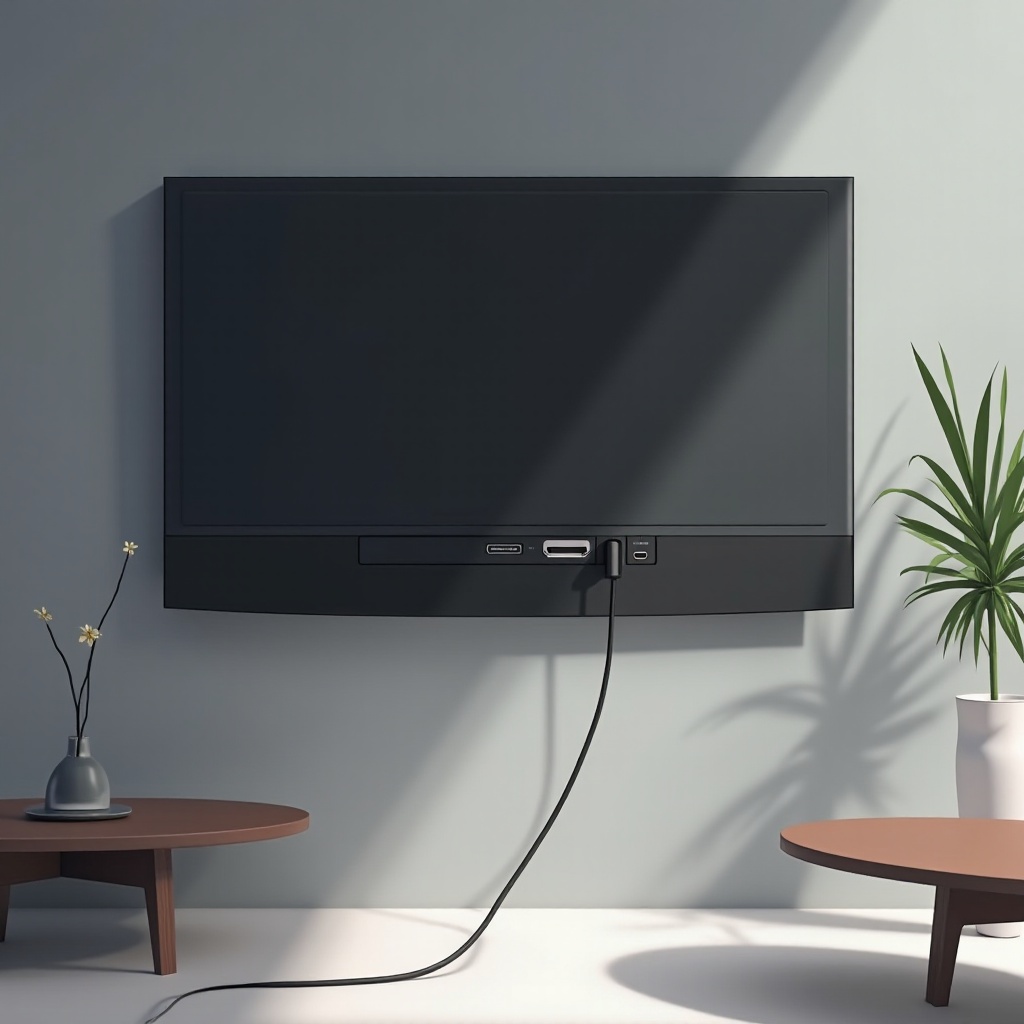
Television models featuring display ports offer several advantages:
-
Enhanced Image Quality: With support for higher resolutions, display ports deliver sharper and clearer images, a critical factor for high-quality video enthusiasts.
-
Support for Higher Refresh Rates: For gamers and tech enthusiasts, display ports offer higher refresh rates, minimizing lag and providing smoother motion crucial for gaming.
-
Better Audio-Visual Sync: Display ports enhance the sync between video and audio signals, minimizing latency and contributing to an immersive viewing experience.
The advantages make display ports a compelling consideration, yet it’s essential to compare them with other connectivity methods, commonly HDMI.
Comparing Display Ports with Other Connectivity Options
In television technology, HDMI remains the leading choice due to its broad acceptance and ability to support high-definition video and audio over a single cable. Nonetheless, there are occasions where a display port might be more favorable.
-
HDMI vs. Display Port: HDMI is widely compatible, serving countless devices like gaming consoles and Blu-ray players, with a wide array of supported audio formats. Conversely, display ports shine with better performance for high-refresh-rate displays and superior resolution support, ideal for advanced gaming and professional setups.
-
USB-C and Other Alternatives: The arrival of USB-C offers another means for connecting devices to TVs, albeit not yet another standard for television use. It’s typically seen in hybrid connectivity solutions.
The choice between these options comes down to individual preferences and specific needs for a TV, demanding a considered approach.
How to Choose the Right TV with Display Ports
When seeking a TV equipped with a display port, keep the following pointers in mind:
-
Identify Your Needs: Determine if your TV use is centered around movies, gaming, or professional work. Your primary usage dictates your choice.
-
Research TV Models: Scout for brands and models that offer a display port, checking specifications before purchasing.
-
Check for Compatibility: Ensure your other devices, such as gaming consoles or PCs, support display ports for a seamless experience.
Understanding each feature’s contribution allows for a well-informed decision on whether a display-port-equipped TV aligns with your needs.
Conclusion
While display ports are not a fixture in all televisions, they are gaining ground. Manufacturers are increasingly acknowledging the need for better connectivity options like display ports. Evaluating the advantages and compatibility needs will help you decide if a TV featuring display ports suits your expectations.
Frequently Asked Questions
Can I convert HDMI to Display Port on my TV?
Yes, converters exist to connect HDMI devices to a display port, but performance may diminish.
Which TV brands are known for including display ports?
Innovative brands like Dell and Samsung have models with display ports, targeting tech-savvy users.
What should I consider when buying a TV with a display port?
Evaluate your primary use, connectivity needs, and device compatibility to ensure the TV meets your requirements.